Munich is a strong pick for a solo trip because it feels safe, walkable, social, and easy to navigate.
Bavarian culture, historic sights, beer halls, museums, green spaces, and simple day-trip options give solo travelers plenty to do without complicated planning.
A smart plan is to stay central or close to reliable transit.
After that, mix classic sightseeing with social spots such as beer gardens, hostel areas, cafés, and lively neighborhoods.
Where to Stay in Munich
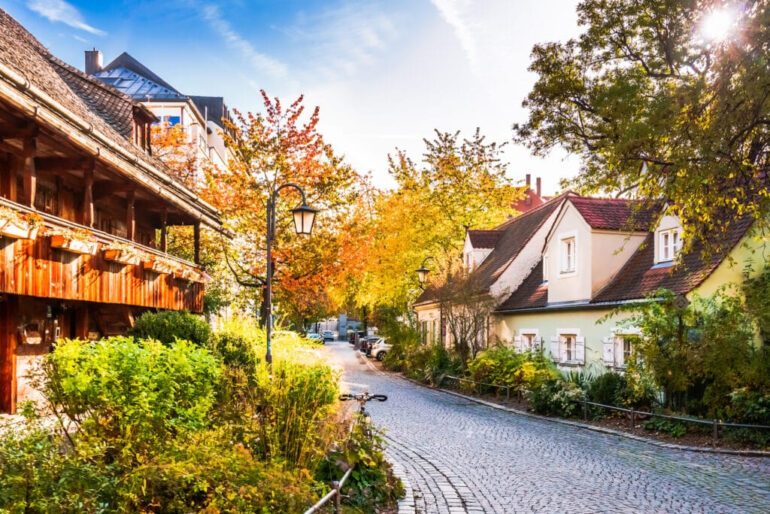
Altstadt-Lehel and Marienplatz work best for first-time visitors who want the easiest base.
Munich’s historic core puts you close to Marienplatz, Viktualienmarkt, major sights, restaurants, shops, U-Bahn stops, and tram lines.
Prices can be higher, crowds can be heavier, and some streets can feel touristy, but convenience is hard to beat.
Best fit here depends on pace and budget:
- First solo visit with limited time
- Easy access to classic sights
- Higher hotel budget
- Preference for walking over transit
Maxvorstadt is a good choice for solo travelers who want culture, cafés, and a more local feel while staying close to the Old Town. Universities, bookstores, independent shops, galleries, and the Kunstareal museum quarter shape the area.
Walking to the Altstadt usually takes about 10 to 20 minutes, and U2, U3, and U6 access makes transit simple.
Schwabing suits travelers who want a calmer, leafy stay near the English Garden. Cafés, restaurants, wine bars, boutiques, and residential streets give it an easygoing mood.
Major sights are less close on foot, but U3 and U6 connect the area with central Munich.
Glockenbachviertel is a strong fit for nightlife, solo socializing, LGBTQ+ culture, coffee spots, craft beer bars, creative shops, and a younger crowd.
Altstadt is only about a 10 to 15 minute walk away, and Sendlinger Tor gives quick transit access.
Au-Haidhausen and Ostbahnhof are better for a quieter stay with local cafés, bakeries, historic streets, fewer tourists, and access to the Isar River. Ostbahnhof is useful for rail connections, while the Altstadt is about a 30 minute walk away.
Hostels near Hauptbahnhof are practical for budget solo travelers who want to meet people.
Many options sit near the center or main station, and dorm rates can fall into low-budget ranges depending on date and availability.
Solo travelers often compare these options by social comfort:
- Hostels near Hauptbahnhof for meeting people
- Glockenbachviertel for nightlife
- Maxvorstadt for cafés and museums
- Au-Haidhausen for a quieter local base
What to See and Do Alone
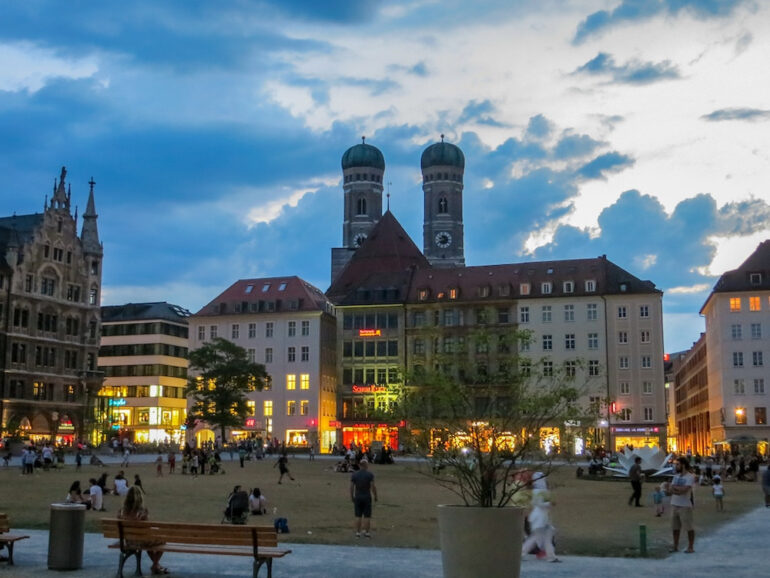
Begin in the historic center with Marienplatz, the Old Town, Viktualienmarkt, Hofbräuhaus, Odeonplatz, and the Munich Residenz.
A route through these areas gives an easy first look at Munich’s history, food culture, public squares, and classic Bavarian atmosphere.
Museum time works especially well for solo travel.
Deutsches Museum is known as Europe’s biggest natural sciences museum, while Kunstareal in Maxvorstadt has the Pinakotheken galleries and major art collections.
Outdoor time is easy to add in the English Garden or Olympia Park. Locals and travelers gather in both places, especially during warmer weather, making them good choices for relaxed solo breaks.
Beer halls and beer gardens are useful for a social solo experience. Hofbräuhaus is famous and central, while Augustiner-Keller gives a more traditional beer-garden setting with a large shaded outdoor area.
A traveler who wants company can book a walking tour, join a hostel event, reserve a food tour, or hire a private local guide for visits across the city.
Easy trips can also fit into a Munich stay. Starnberg and Ebersberg are picturesque, quieter options with simple access using Munich-area transit.
In case you would like to have some company while you walk around the city, be sure to pay a visit to the escort service München and find some company.
How to Get Around Munich
Central Munich is very walkable, especially around Altstadt-Lehel, Marienplatz, Viktualienmarkt, and nearby neighborhoods. Walking works well for a first day because many key sights sit close together.
U-Bahn, S-Bahn, trams, and buses handle longer distances well. Most central neighborhoods and key places are usually about 10 to 20 minutes away by transit.
Transit is most useful for these situations:
- Reaching Schwabing, Olympia Park, or farther museums
- Getting to Ostbahnhof or Hauptbahnhof with luggage
- Planning several stops in one day
- Taking day trips outside central Munich
Day tickets are useful when planning several rides in one day. Different ticket types cover city travel and farther trips, and they can be used on U-Bahn and S-Bahn routes.
Taxis are reliable for nightlife or late arrivals. Taxi EU is a commonly used app-based taxi option in Germany.
Summary
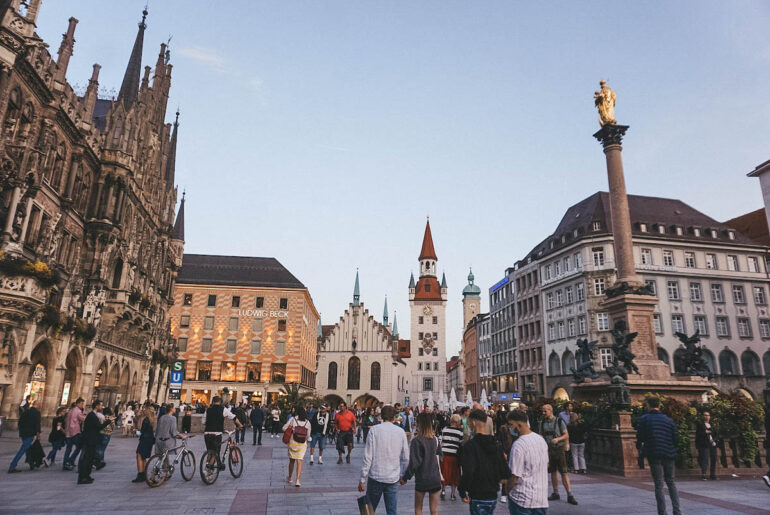
Munich is a strong solo-trip city because it is safe, compact, transit-friendly, and full of easy solo activities.
Altstadt-Lehel is best for convenience, Maxvorstadt for culture, Glockenbachviertel for nightlife, and Au-Haidhausen for a calmer local base.
A simple solo plan can include historic sights, museums, parks, beer gardens, and short public-transit trips around the city.