Entertainment used to be designed for large audiences. Television networks scheduled the same programs for millions of households, radio stations selected which songs listeners would hear, and newspapers decided which stories deserved attention. Audiences could choose between channels or publications, but the experience was still largely controlled by media companies.
In 2026, that model has changed dramatically. Entertainment is no longer simply delivered to an audience. It is selected, arranged and continuously adjusted for each individual user.
Streaming platforms recommend films based on viewing history. Music applications create playlists that reflect a listener’s mood. Social networks learn which creators, conversations and communities are most likely to hold someone’s attention.
Gaming platforms adapt challenges to different playing styles, while adult entertainment and social-discovery websites increasingly organize content around personal interests, location and privacy preferences.
The result is a digital entertainment landscape that feels less like a public broadcast and more like a private environment built around the individual.
The End of the One-Size-Fits-All Entertainment Model

For much of the twentieth century, entertainment was shaped by scarcity. There were limited television channels, cinema screens and publishing opportunities. Media companies had to create content capable of attracting the widest possible audience.
The internet removed many of those limitations. Streaming services can now maintain enormous libraries, while video platforms can host content for highly specific interests. Instead of forcing everyone to watch the same programs, digital platforms can offer thousands of choices and help users navigate them through search tools and recommendation systems.
This abundance has changed what audiences expect. People no longer want to spend considerable time searching for something relevant. They expect the platform to understand what they enjoy and present suitable options immediately.
A viewer who regularly watches political documentaries may receive recommendations for investigative journalism. Someone interested in comedy may see stand-up specials, humorous podcasts and short-form sketches. A gaming enthusiast may be shown live streams, reviews and communities built around a particular title.
Personalization has therefore become more than a useful feature. It is now a central part of the entertainment product.
Recommendation Systems Became Digital Curators
Modern recommendation systems examine several types of behavior. They may consider what a user watches, what they skip, how long they remain on a page and which subjects repeatedly attract their attention.
These systems do not simply identify broad categories. They can distinguish between different viewing habits within the same category. Two people may both enjoy action films, for example, but one may prefer historical dramas while the other is more interested in futuristic science fiction.
The same principle applies to music, podcasts, gaming and online video. Platforms attempt to identify the specific qualities that keep each person engaged.
This has made discovery easier. Audiences can encounter independent filmmakers, niche podcasts or unfamiliar performers they may never have found through traditional media. A small creator can reach a global audience without first securing the approval of a major studio or network.
However, recommendation systems also influence what people see. When a platform repeatedly promotes similar material, users may remain within a narrow entertainment bubble. The convenience of personalized discovery must therefore be balanced with the ability to explore unfamiliar ideas and genres.
The strongest platforms increasingly combine personalized recommendations with editorial collections, trending sections and open search tools. This allows users to receive relevant suggestions without completely surrendering control over discovery.
Streaming Expanded Beyond Film and Television
Streaming was once associated primarily with movies and television series. In 2026, it includes almost every form of media.
People stream live gaming sessions, concerts, fitness classes, interviews, podcasts, educational programs and interactive events. Many creators now combine several formats rather than remaining within one category. A musician may publish documentary-style videos, host a podcast and interact with fans through live broadcasts.
This blending of formats has made entertainment more personal because audiences can follow individual creators rather than traditional media brands. Viewers may become interested in the opinions, routines and personalities of the people producing the content.
The relationship is also more direct. Fans can comment during live streams, subscribe to exclusive channels, support creators financially and influence future topics. Entertainment has become participatory rather than entirely passive.
Instead of simply consuming a finished program, audiences increasingly feel that they are part of a community built around it.
Virtual Reality Created a More Immersive Form of Viewing
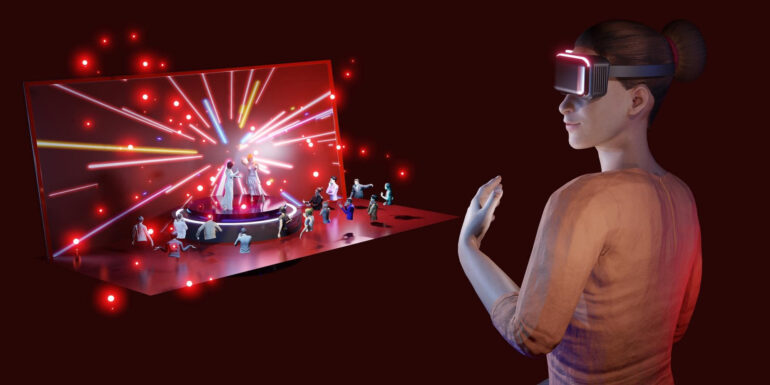
Virtual reality has also contributed to the personalization of online entertainment. While earlier VR systems were expensive and technically demanding, newer devices have become easier to use and more comfortable for longer sessions.
VR experiences place users inside digital environments rather than asking them to watch everything through a conventional screen. This has created opportunities in gaming, live events, travel, education and adult media.
A user can explore a digitally recreated city, attend a virtual concert or experience a story from the perspective of a character. The experience may change depending on where the person looks, how they move and which options they select.
Adult entertainment has adopted this technology because immersion can make digital content feel more immediate and individually directed. Specialized categories, including collections of VR Porn video content, demonstrate how online media is being organized around particular devices and viewing preferences rather than a single universal format.
The wider importance of VR goes beyond novelty. It represents a shift from watching entertainment to entering it. As headsets, spatial audio and motion tracking improve, audiences are likely to expect more interactive and responsive experiences.
Niche Platforms Help Audiences Find Specific Content
Large streaming services remain influential, but they do not always satisfy users looking for specialized material. This has created space for niche platforms that focus on formats, communities or subjects.
Some websites organize content by genre, creator, theme or production style. Others provide reviews and discovery tools that help audiences compare different sources. Platforms such as tube origin reflect the continued growth of specialized online entertainment destinations outside the largest mainstream services.
Niche platforms can offer a more focused experience because they do not need to appeal to every possible user. Their navigation, editorial content and recommendations can be designed for a specific audience.
This specialization also helps independent creators. Instead of competing for attention within an enormous general platform, they can connect with users who are already interested in their type of content.
The challenge for smaller platforms is trust. Users increasingly look for clear ownership information, secure connections, transparent policies and reliable moderation before spending time on an unfamiliar website. Personalization is valuable, but it works best when users feel confident that their information and browsing activity are being handled responsibly.
Social Discovery Became Part of Entertainment
One of the most significant developments in 2026 is the growing connection between entertainment and social discovery.
People do not only use digital platforms to watch videos or listen to music. They also use them to find communities, events, creators and potential real-world connections.
A person watching travel content may join a local discussion group. Someone listening to a podcast may attend a live recording. Gaming communities may arrange tournaments or social events. Dating and companionship platforms may help adults explore local options based on location and personal preferences.
This is where entertainment begins to influence real-world decisions. Digital content can inspire someone to visit a destination, attend an event or meet people with similar interests.
Location-based discovery is particularly important. Users increasingly expect platforms to show information relevant to the city they live in or plan to visit. Rather than browsing a broad national directory, they may prefer a focused local page such as one covering south bend escorts, where geographically relevant listings can be explored in one place.
This local approach reflects a wider digital trend. Whether someone is searching for a restaurant, concert, creator event or independent companion, relevance is often determined by proximity as much as personal interest.
Privacy Became Part of the User Experience

The more personalized entertainment becomes, the more data platforms may need to process. Viewing history, search activity, location and interaction patterns can all contribute to recommendations.
That creates an important question: how much information should a platform collect to provide a convenient experience?
Users in 2026 are more aware of digital privacy than earlier internet audiences. Many want personalized recommendations, but they also expect control over their data. They want to know what is being collected, why it is needed and whether it can be deleted.
Privacy is especially important in sensitive categories such as dating, health, adult entertainment and location-based services. Users may prefer discreet billing, private browsing options, limited profile visibility and control over whether previous activity influences future recommendations.
Platforms that provide clear privacy settings can turn transparency into a competitive advantage. Instead of hiding data practices inside lengthy policy documents, responsible services are increasingly presenting understandable choices during account creation and within user dashboards.
The future of personalization will depend not only on what technology can learn about people, but also on what users willingly choose to share.
Artificial Intelligence Made Personalization More Conversational
Artificial intelligence has made digital entertainment systems more responsive. Instead of selecting a few predefined categories, users can increasingly describe what they want in ordinary language.
Someone might request a light comedy suitable for a short evening, a podcast about business without excessive technical language or a game that can be completed in brief sessions. AI-powered search can interpret these requests and identify suitable options.
This conversational approach reduces the distance between intention and discovery. Users no longer need to understand how a platform has categorized its content. They can explain the experience they want and allow the system to search across titles, descriptions and audience behavior.
AI is also helping creators understand their audiences. Analytics tools can identify which topics attract attention, where viewers stop watching and which formats encourage repeat visits.
Used responsibly, this information can improve content quality. Used carelessly, it can encourage creators to chase engagement at the expense of originality. The challenge is to use audience data as guidance without allowing every creative decision to be determined by an algorithm.
Entertainment Is Becoming an Individual Digital Environment
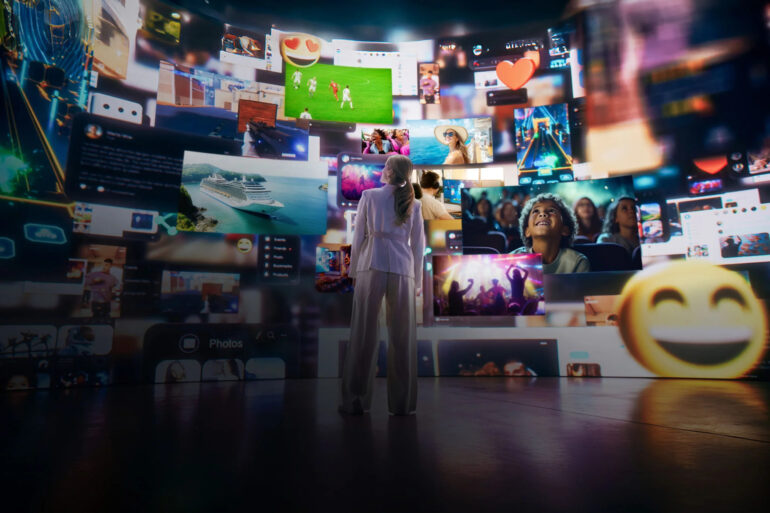
The defining feature of online entertainment in 2026 is not a single device, platform or content format. It is the movement toward individual digital environments.
Each person’s homepage, playlist, search results and suggested communities may look different. Entertainment platforms are becoming reflections of personal habits, locations and interests.
This transformation offers clear benefits. Audiences can find relevant material more quickly, niche creators can reach appropriate communities, and digital experiences can adapt to different devices and circumstances.
At the same time, personalization introduces responsibilities. Platforms must protect user information, explain recommendation systems and provide opportunities to explore beyond familiar content. Users must also remain aware that convenience can shape their attention in subtle ways.
The future of entertainment will probably combine several experiences that once existed separately. Streaming, gaming, virtual reality, social networking and local discovery will continue to overlap. A person may begin by watching a video, enter a related community, attend a virtual event and eventually make a real-world connection.
Entertainment is no longer simply something people watch. It is becoming a personalized space in which they discover content, communicate with others and decide how they want to spend their time.