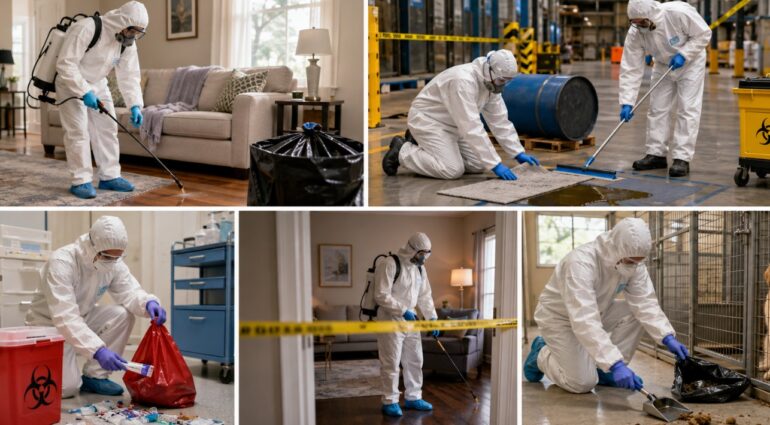
Biohazard cleanup services cover a diverse array of incidents, including trauma scenes, industrial mishaps, medical waste disposal, unattended deaths, and hazardous animal waste scenarios.
Certified biohazard professionals perform comprehensive assessments of the scenes to pinpoint hazards, set up safety perimeters, and devise containment strategies prior to initiating the cleanup.
By adhering to strict safety protocols – like using personal protective equipment and effective disinfectants—risks during the cleanup process are significantly reduced, thereby safeguarding both the workers and the environment.
The actual cleanup involves specialized techniques such as biological decontamination, thermal fogging, and vacuum sealing. These methods ensure that affected areas are not only visually clean but also safe for re-entry.
Experience and certification play a crucial role in biohazard cleanup. Trained professionals carry the knowledge necessary to navigate complex situations and hazardous conditions effectively.
Trusted cleanup services offer transparent communication, clear pricing, and thorough follow-ups, helping clients feel fully supported throughout the entire process.
Timely intervention in biohazard situations greatly affects health outcomes and can avert legal issues, emphasizing the significance of professional response teams.
Understanding the Scope of Biohazard Cleanup Services
What Types of Incidents Require Biohazard Remediation?
While biohazard remediation is frequently linked to crime scenes, its scope is far more extensive. Incidents that necessitate these specialized services include:
- Trauma scenes – including accidents and homicides.
- Industrial accidents – which often involve spills and exposure to toxic substances.
- Medical waste – dealing with improperly discarded medical materials.
- Death scenes – especially concerning unattended fatalities that can be highly hazardous.
- Animal waste – where various pet situations may lead to unsafe conditions.
Many individuals are surprised to learn about the range of circumstances requiring professional intervention. Each incident presents its set of unique challenges, and inadequate handling could lead to severe health risks. What might appear as a simple cleaning job can quickly grow more complicated without the right expertise.
How Experts Assess the Scene: A Professional Approach
When professionals receive a call, they act fast. But before rushing in, they conduct a detailed assessment. This involves identifying potential hazards, evaluating the safety of nearby individuals, and determining which materials may pose risks. Here’s how the assessment process typically unfolds:
- Initial evaluation – establishing a safety perimeter to protect those in the vicinity.
- Site investigation – pinpointing the sources of biohazards that may be present.
- Containment planning – figuring out how to isolate the area effectively.
By tackling the scene methodically, professionals gain a comprehensive understanding of the hazards involved. Such diligence is absolutely vital; there’s simply too much at stake.
The Role of Safety Protocols in Biohazard Cleanup
Safety protocols form the cornerstone of biohazard cleanup. Professionals adhere to stringent guidelines regarding personal protective equipment (PPE) to shield themselves from exposure. This includes:
- Full-body suits – providing maximum coverage.
- Respirators – crucial for protection against airborne pathogens.
- Disinfectants – necessary for sanitizing surfaces prior to any re-entry.
By following strict safety measures, risks during cleanup are minimized. Most importantly, both the professionals and the surrounding environment are better protected. Ignoring these protocols can yield dire consequences.
The Biohazard Cleanup Process: Step by Step
Initial Response: What Happens When the Team Arrives?
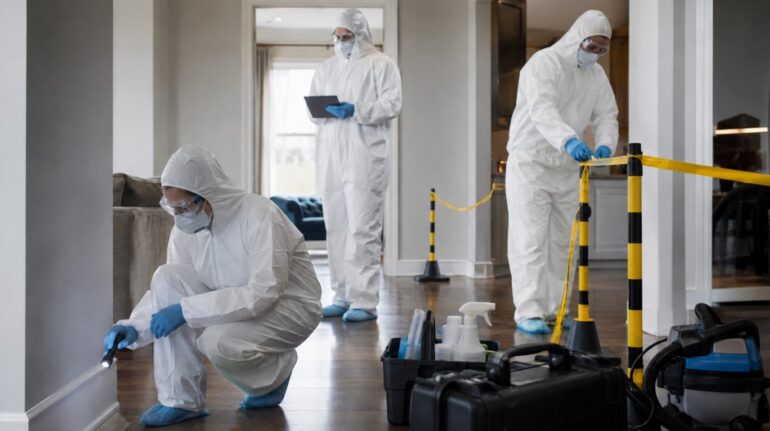
When the team arrives, they don’t rush in haphazardly; they assess, strategize, and prepare for a systematic cleanup. It’s about creating order from disorder. Professionals secure the area, often employing visible barriers to keep the public at bay. The first step involves assessing how to move forward without jeopardizing health or safety.
A well-established plan generally consists of:
- Notifying emergency services, if needed.
- Evaluating the extent of contamination.
- Documenting the scene for insurance and legal purposes.
This methodical approach assists in maintaining an efficient process. It sets a positive tone for what lies ahead, aligning everything with best practices from the very beginning.
Cleanup Techniques: Methods Used by Professionals
After completing the initial assessment, professionals deploy a range of specific cleanup methods. They use specialized tools and cleaning agents tailored to the particular scenario at hand. Common techniques comprise:
- Biological and chemical decontamination – effectively neutralizing pathogens.
- Thermal fogging – used for eliminating deeply embedded odors.
- Vacuum sealing hazardous materials – securing dangers until proper disposal can occur.
Each method serves a well-defined purpose. Professionals leverage their expertise to select optimal combinations of these techniques, ensuring that surfaces are not merely clean but also safe for human interaction. Cleanup transcends visibility; it fundamentally revolves around safety.
Post-Cleanup Evaluation: Ensuring Complete Safety
Once the cleanup is complete, the task isn’t finished. Professionals meticulously check each corner to confirm there are no lingering hazards. This step is essential for restoring the area to its original, pre-incident condition. Technicians utilize health monitors and environmental evaluations to ascertain that no threats remain. Important considerations during this phase include:
- Testing surfaces for pathogens.
- Meticulous documentation of the entire process.
- Ensuring adherence to local regulations throughout.
The final phase reinforces a commitment to safety. Aesthetic cleanliness is one thing, but creating a genuinely healthy space is paramount.
The Importance of Hiring Certified Biohazard Professionals
Why Experience Matters in Biohazard Cleanup
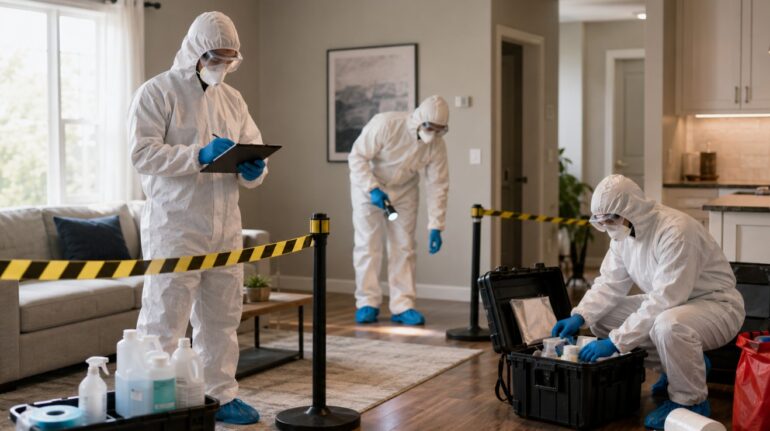
Experience is not merely a catchphrase in this industry; it’s a necessity. A skilled team brings invaluable insight into the potential hazards encountered during biohazard cleanup. Their extensive training enables them to navigate complexities effectively. They have learned what strategies work best in tough scenarios. This expertise truly impacts the outcome.
Without experienced professionals on the job, risks can skyrocket. Some may mistakenly believe any cleaner can handle a difficult scene—a misconception that can lead to grave consequences. Expertise can truly mean the difference between life and death.
The Significance of Certification in the Industry
Certification goes beyond being a trivial formality; it assures that professionals have undergone extensive training. Certified biohazard technicians must adhere to stringent standards, which ensures that high-quality service is maintained consistently. The most reputable services usually display their certifications prominently. Consider some important certifications:
- OSHA compliance – ensuring workplace safety.
- Adherence to EPA guidelines – reflecting a commitment to environmental protection.
- Compliance with local state regulations – abiding by regional laws.
Certification fosters trust. Clients can feel reassured, knowing that their situations are being handled correctly and professionally.
What to Expect from a Reputable Cleanup Service
Clients should anticipate thorough evaluations and clear communication. Reliable services provide detailed explanations of the cleanup process and all that it involves. This transparency builds trust and sets the foundation for an informed partnership. Here are some essential qualities to look for:
- Clear pricing structures – ensuring no hidden costs.
- Timely responses to inquiries – illustrating a commitment to professionalism.
- Robust follow-up services – ensuring no lingering concerns remain.
By choosing a trustworthy service, clients can feel genuinely supported. They become more than just another job; they enter a partnership aimed at restoring safety.
Real-Life Scenarios: When Cleanup Services Shine
Case Studies: Successfully Handling Complex Cleanup Jobs
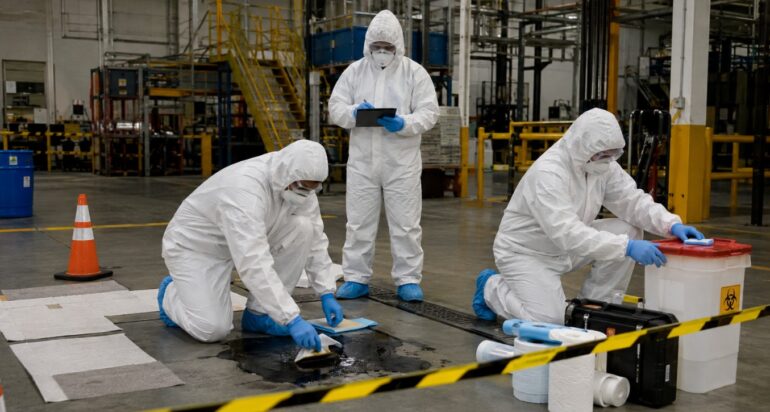
From crime scenes to industrial accidents, numerous companies have showcased their expertise in biohazard remediation. Take, for example, a significant corporate incident involving a hazardous waste spill. A specialized cleanup team was summoned, assessed the situation, and executed a detailed plan that included:
- Assessment of the site to evaluate exposure levels.
- Communication with local authorities to ensure compliance.
- Effective disposal methods for hazardous materials.
The result? A restored safe environment, enabling the company to quickly resume operations. Success stories like this demonstrate the immense value of timely and professional responses.
How Timely Intervention Makes a Difference
Why does prompt action really matter? Statistics consistently indicate that quick responses can have a significant impact on health outcomes after exposure occurs. Cleanup services acknowledge that every second counts when it comes to mitigating risks. This urgency fosters better results, both for individuals and the environment. It helps avoid potential legal consequences and health crises.
Customer Testimonials: The Value of Professional Help
“After a traumatic incident, the team not only restored our home but also our peace of mind. Their professionalism was unparalleled.”
Testimonials like this underscore the genuine experiences of clients who are thankful for biohazard cleanup support. They reflect the emotional turmoil individuals face and highlight the crucial role experts play in the recovery process. This work transcends mere cleanup; it embodies healing.
Ultimately, professionals redefine expectations. Their efforts aid recovery and ensure safety in the aftermath of turmoil. For anyone dealing with such challenges, understanding the landscape of biohazard cleanup is essential. It’s increasingly clear: enlisting skilled professionals to take charge offers immense value.
FAQ
What certifications should clients look for in biohazard cleanup professionals?
Clients ought to seek professionals who possess certifications that demonstrate adherence to rigorous standards. Important certifications include OSHA compliance for workplace safety, EPA guidelines for environmental protection, and adherence to local state regulations to ensure compliance with regional laws.
How are biohazard cleanup costs typically structured?
Cost structures can differ quite a bit, depending on the complexity of the incident. Many reputable services provide clear pricing with no hidden fees, often offering estimates based on specific details related to the job, such as the type of biohazard and necessary cleanup methods.
How quickly can a cleanup team respond to an emergency call?
Response times generally depend on the service level of the company and the specifics of the incident. Most biohazard cleanup firms strive to mobilize within a few hours, recognizing that swift action is crucial for mitigating health risks and legal issues.
What types of training do biohazard cleanup technicians undergo?
Technicians typically receive extensive training encompassing safety protocols, proper handling of biohazardous materials, and specialized cleanup techniques. This education is vital for preparing them to effectively and safely address complex hazards.
Are biohazard cleanup services available for residential properties?
Yes, many biohazard cleanup services specifically cater to residential situations. From unattended deaths to hazardous waste management, these professionals provide expert services designed to restore homes to a safe and livable condition.
What should clients do to prepare for a biohazard cleanup team’s arrival?
Clients are encouraged to ensure that the site is accessible for the cleanup crew. It may also be beneficial to gather any relevant information about the incident, such as previous hazardous materials involved, to facilitate a smoother assessment process.
How do professionals ensure compliance with health regulations during cleanup?
Experts adhere to strict protocols that align with health regulations, which include the use of approved disinfectants and proper disposal methods. Regular audits and training sessions reinforce compliance with necessary local and federal guidelines.
Can biohazard cleanup services help with emotional support for affected individuals?
While the main focus is on physical cleanup, many professional services acknowledge the emotional ramifications of such incidents. They often offer compassionate communication and support, ensuring clients understand that their recovery extends beyond simply addressing physical damage.
Useful Resources
- Occupational Safety and Health Administration (OSHA)– Offers guidelines and regulations vital for ensuring workplace safety, particularly in the biohazard cleanup industry.
- Environmental Protection Agency (EPA)– Provides resources on environmental regulations and protection regarding hazardous materials.
- Centers for Disease Control and Prevention (CDC)– An essential source for health and safety guidelines pertaining to biological hazards and decontamination procedures.
- Niche– Features insights into various careers, including biohazard cleanup, helping individuals navigate the path to certification and training.
- American Red Cross– Offers training in first aid, CPR, and disaster response, skills that can greatly benefit those involved in emergency cleanup circumstances.
- Institute of Inspection, Cleaning and Restoration Certification (IICRC)– Provides certification and training for professionals in cleaning, restoration, and biohazard services.
- Indoor Air Quality Association (IAQA)– Focuses on indoor air quality and related concerns, which are crucial to understanding the aftermath of biohazard cleanup.
- Natural Resources Conservation Service (NRCS)– Supplies resources concerning environmental conservation and can inform eco-friendly cleanup practices.