Recurring activities sound simple until you are the person responsible for organizing them. A weekly volunteer shift, monthly community event, rotating school duty, club activity, or seasonal program can create a steady stream of small administrative tasks. Who is available? Who has already signed up? Which spots still need to be filled?
Has anyone canceled? Did everyone receive the latest information? Those questions repeat over and over, and the time required to answer them can add up quickly.
That is why choosing the right group sign up software matters. The best option is not necessarily the one with the longest feature list. It is the one that makes repeat scheduling easier, gives participants a clear experience, and reduces the amount of manual work required from the organizer.
When an activity happens regularly, even a small improvement in the sign-up process can save a meaningful amount of time over the course of a year.
Start With Ease of Use

Keep it simple: people are far more likely to use a sign-up system consistently if they can understand it immediately. Participants should not need a lengthy explanation just to select a time, role, or activity. The process should feel obvious from the moment they open the page.
This becomes especially important when the group includes people with different levels of technical confidence. A school volunteer program, community organization, sports club, or nonprofit may involve everyone from tech-savvy parents to older volunteers who rarely use online scheduling tools.
If the software creates confusion, the organizer often ends up answering more questions than before.
A clean sign-up experience reduces that friction. Participants should be able to see what is available, understand what they are agreeing to, and complete the process without hunting through menus or instructions.
When the same people are signing up week after week or month after month, that familiarity can make the process even smoother.
Look for Flexibility
Recurring activities are rarely as repetitive as they first appear. One week may require six volunteers, while the next needs ten.
A monthly meeting may move because of a holiday. A school event might use the same basic schedule several times during the semester but require different roles each time.
Flexibility matters: group sign up software should make it easy to adjust details without forcing organizers to rebuild everything from scratch.
Being able to reuse a familiar structure while changing dates, times, quantities, or responsibilities can make recurring scheduling much more manageable.
It also helps if the system can accommodate different types of sign-ups. Some organizations simply need people to choose a time slot.
Others may need participants to select a task, bring an item, volunteer for a specific role, or choose from several activities.
Software that can handle more than one type of commitment gives organizers more room to adapt as needs change.
That adaptability becomes increasingly valuable over time. An organization may start with one simple recurring event and later expand into several programs.
A tool that works well only for one narrow purpose may quickly become limiting.
Make Sure Changes Are Easy to Manage

No recurring schedule stays perfect for long. People get sick, travel plans change, work commitments appear, and family responsibilities shift.
Organizers should expect cancellations and substitutions rather than treating them as unusual problems.
Changes should not create chaos: when someone drops out, it should be easy to see that a spot has reopened. If an organizer has to manually update several documents every time a participant changes plans, the system is not really reducing much administrative work.
A centralized sign-up process helps because everyone is working from the same current information. Instead of one schedule living in a spreadsheet and another version existing in an email thread, the organizer has a clearer view of what is actually happening.
Participants also benefit because they can see the latest availability rather than relying on information that may already be out of date.
For recurring activities, that consistency is often more useful than flashy features. A dependable process that handles routine changes well can save far more time than a complicated platform that is difficult to maintain.
Think About Communication, Not Just Scheduling
A sign-up is only one part of the process. People also need to remember what they agreed to do.
Organizations that run recurring activities often spend significant time sending reminders, confirming attendance, or answering questions that have already been covered.
A good scheduling system can help reduce some of that repetitive communication by keeping the important details connected to the sign-up itself.
That might include the date, time, location, role description, or any instructions participants need before they arrive.
The clearer that information is, the fewer separate messages organizers may need to send.
Clarity saves time: if volunteers or participants know exactly where they need to be and what is expected of them, there is less room for confusion.
That makes the experience better for both sides. The organizer spends less time clarifying details, while participants feel more confident about what they have committed to.
For activities that repeat throughout the year, this can create a more professional and organized experience without adding extra work.
Consider the Organizer’s View
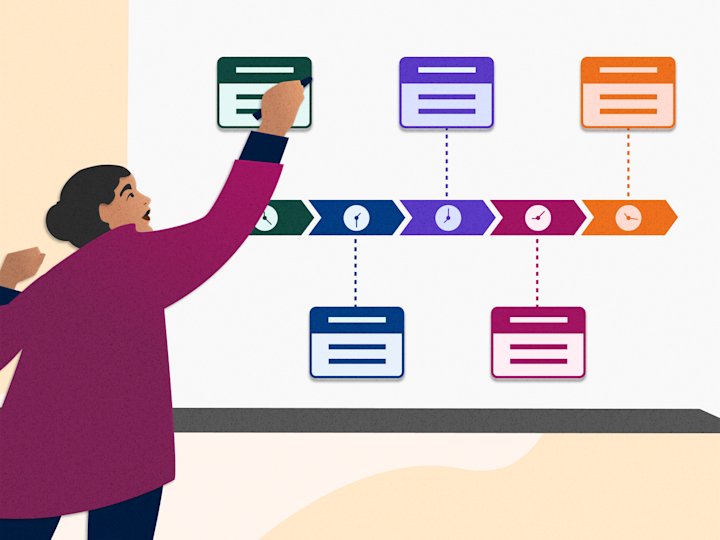
It is easy to focus entirely on what participants see, but the administrative side matters just as much.
Organizers need to quickly understand which positions are filled, which still need attention, and whether there are any gaps that could cause problems.
If finding that information requires digging through multiple screens or manually counting names, the system may create unnecessary work.
The organizer’s dashboard or schedule view should make the overall situation easy to understand.
This becomes particularly important when several recurring activities are running at once. A nonprofit might be coordinating volunteer shifts at different locations.
A school may have multiple classes or events requiring help. A community group may manage weekly activities alongside occasional larger gatherings.
In those situations, being able to keep schedules organized without mixing them together is essential.
A useful system should provide enough structure to keep everything clear while still allowing organizers to make adjustments when circumstances change.
Choose Something People Will Actually Keep Using
The real test of any scheduling tool is not whether it works once. It is whether people still want to use it six months later.
A system that feels cumbersome may be tolerated for a single event, but recurring activities expose every weakness. Small inconveniences become repetitive frustrations. Extra steps feel more annoying each time. Confusing layouts lead to the same questions being asked again and again.
Consistency is key: the best group sign up software should make the process feel familiar and predictable. Participants should know what to expect, and organizers should not have to reinvent their workflow for every new date.
That can also help build better participation habits. When people know where to go to see available opportunities and how to sign up, they are more likely to engage without waiting for personal reminders. Over time, that can make the entire group more self-sufficient.
Recurring activities depend on reliable participation, and reliable participation is easier to manage when the sign-up process itself is straightforward.
The right software should reduce the amount of chasing, checking, and updating required behind the scenes. Instead of creating another layer of administration, it should quietly make the existing process easier to handle.
For schools, nonprofits, clubs, teams, and community organizations, that simplicity can make a substantial difference. When the scheduling side runs smoothly, organizers have more time to focus on the activity itself and the people taking part in it.