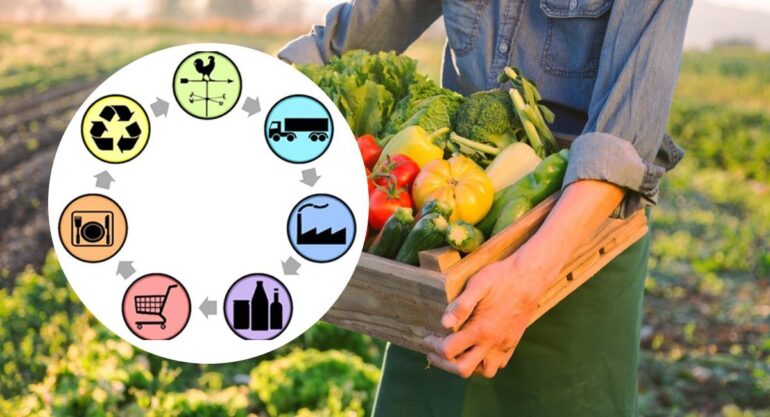
When we think about the food on our tables, fresh produce, dairy products, frozen meals, or packaged ingredients, we rarely consider the long and complex journey that brought those items from farms and factories to our kitchens. Yet behind every carton of milk or box of frozen vegetables lies a carefully coordinated transportation system designed to preserve safety, quality, and freshness.
At the heart of this system are specialized logistics providers known as the best food grade trucking companies, which play a critical role in maintaining strict food safety standards throughout the supply chain. Their work ensures that food products arrive at their destination uncontaminated, properly stored, and compliant with regulatory requirements.
Understanding how these companies operate provides a fascinating look into one of the most important but often overlooked parts of the global food ecosystem.
The Critical Role of Food Grade Transportation
Food transportation isn’t the same as moving furniture, electronics, or construction materials. The stakes are significantly higher because mistakes can directly impact public health.
Food-grade trucking involves transporting products that will eventually be consumed by people or animals. This includes:
- Raw agricultural ingredients
- Processed food products
- Beverages and liquid ingredients
- Bulk commodities such as flour, sugar, or oils
- Frozen and refrigerated goods
Each category comes with its own requirements for temperature control, sanitation, and documentation. A failure in any of these areas can lead to spoilage, contamination, or regulatory violations.
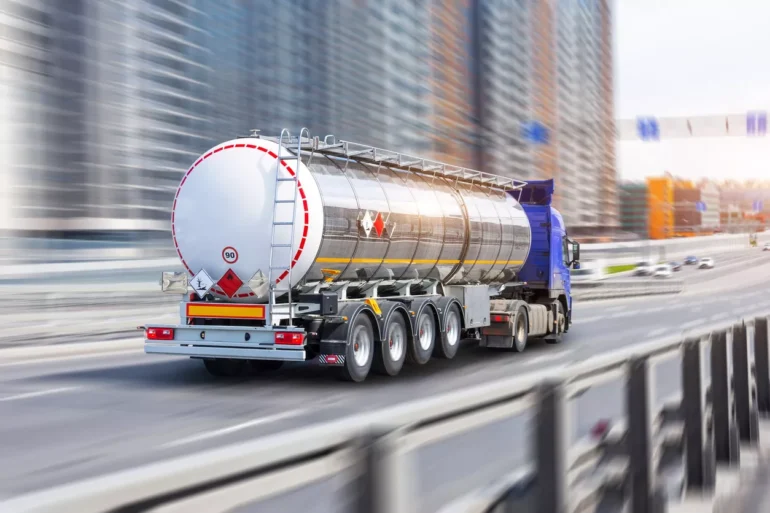
For example, transporting liquid sweeteners or cooking oils requires tanker trailers that are thoroughly cleaned and inspected before each use. Even a trace of residue from a previous load could compromise the next shipment.
Because of these risks, companies specializing in food transport follow extremely detailed protocols that govern every step of the process.
Regulations That Shape the Industry
Food-grade transportation in the United States operates under a strict regulatory framework designed to protect consumers. One of the most influential policies in recent years is the Food Safety Modernization Act (FSMA), introduced by the U.S. Food and Drug Administration.
The FSMA established the Sanitary Transportation Rule, which requires carriers, shippers, and receivers to take specific steps to prevent contamination during transit.
These requirements include:
- Proper cleaning and sanitizing of equipment
- Temperature monitoring during transportation
- Protection from cross-contamination
- Detailed record keeping and traceability
- Training for drivers and logistics personnel
Companies that transport food products must demonstrate that they comply with these standards. This has raised the bar across the industry and increased the demand for experienced, specialized logistics providers.
Organizations often partner with the best food grade trucking companies because they have the infrastructure, training, and certifications needed to meet these complex regulations.
Equipment Designed for Food Safety
The trucks and trailers used for food transport are far more specialized than standard freight equipment. Depending on the product being shipped, companies may use several types of vehicles designed to preserve product integrity.
Food Grade Tankers
Food-grade tanker trucks transport liquids such as:
- Milk
- Syrups
- Edible oils
- Fruit juices
- Liquid sweeteners
These tanks are constructed from stainless steel and designed to prevent contamination. They are also cleaned using professional wash facilities that follow strict sanitation protocols.
Refrigerated Trucks
Commonly known as “reefers,” refrigerated trucks maintain controlled temperatures during transport. They are essential for perishable goods such as:
- Meat and poultry
- Dairy products
- Frozen foods
- Fresh produce
Temperature tracking technology allows companies to monitor conditions throughout the journey, ensuring products remain within safe ranges.
Dry Bulk Trailers
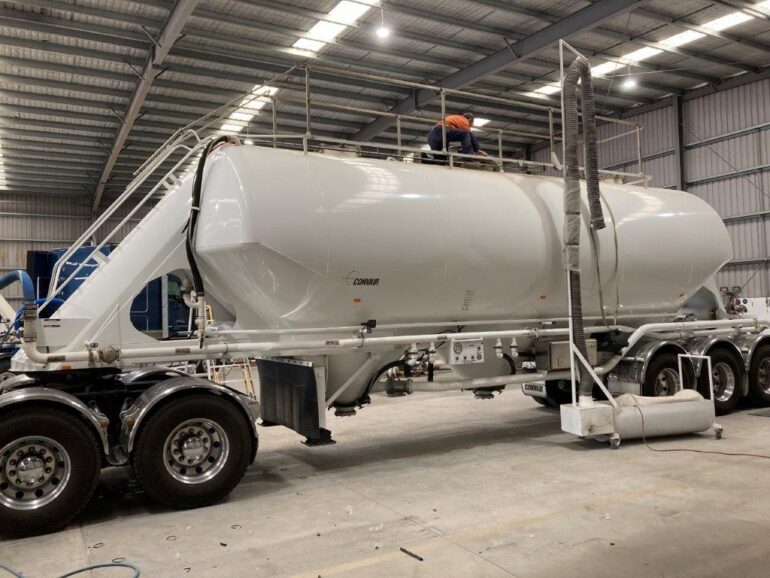
Dry bulk trailers transport powdered or granular food ingredients such as flour, sugar, starch, and grains. These trailers use pressurized air systems to unload products efficiently while minimizing contamination risks.
Each piece of equipment must meet sanitation and inspection standards before it is used for food transport.
The Importance of Cleaning and Sanitation
One of the defining characteristics of food-grade transportation is the emphasis on cleanliness.
Before a tanker or trailer can be used for another shipment, it must undergo a detailed wash process at certified cleaning facilities. These washes remove any residue from previous loads and sanitize the interior of the tank.
Drivers and operators receive documentation, often called a wash ticket, that confirms the trailer has been properly cleaned.
This documentation becomes part of the shipment’s compliance record and may be required by food manufacturers or regulators.
Without this process, there would be a significant risk of cross-contamination between shipments.
Technology Transforming Food Logistics
Modern logistics technology has significantly improved the safety and efficiency of food transportation.
Several innovations are reshaping how food moves through the supply chain.
GPS and Real-Time Tracking
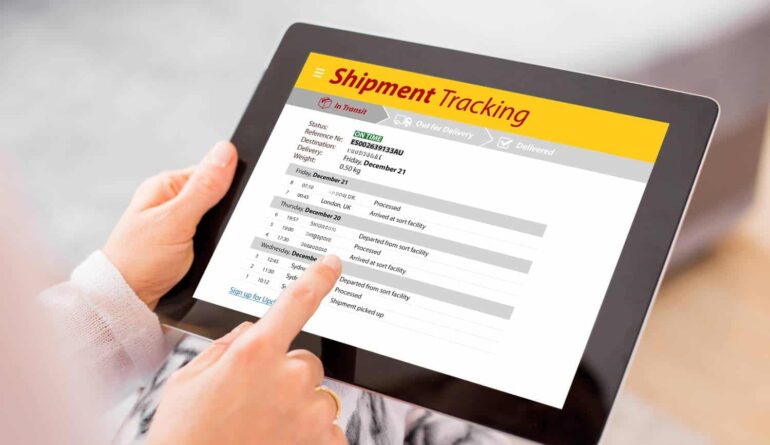
Fleet tracking systems allow logistics managers to monitor the location and status of shipments in real time. This visibility helps companies respond quickly to delays or disruptions.
Temperature Monitoring
Advanced sensors continuously record temperature conditions inside refrigerated trailers. Alerts notify operators if temperatures move outside the acceptable range.
Digital Documentation
Electronic records simplify compliance with regulatory requirements and improve traceability. If a safety concern arises, companies can quickly track the origin and transportation history of a product.
These technologies not only improve safety but also increase efficiency and transparency across the entire food supply chain.
Why Expertise Matters
Food-grade transportation is not an industry where inexperienced operators can easily succeed. The complexity of regulations, equipment requirements, and sanitation procedures demands highly trained professionals.
Experienced logistics providers understand:
- Food safety compliance requirements
- Specialized equipment maintenance
- Proper loading and unloading procedures
- Industry documentation standards
Manufacturers and food producers often seek partnerships with trusted logistics providers because they recognize the risks associated with improper transportation.
Working with the best food grade trucking companies ensures that products move through the supply chain with minimal risk and maximum reliability.
The Human Element – Skilled Drivers
While advanced technology and specialized equipment are essential, the success of food transportation ultimately depends on the people behind the wheel.
Food-grade truck drivers receive specialized training that covers:
- Sanitation procedures
- Food safety regulations
- Proper handling of sensitive cargo
- Documentation and compliance requirements
Drivers are responsible for monitoring their equipment, verifying documentation, and ensuring that each shipment meets strict safety standards.
Their attention to detail helps prevent contamination and protects the integrity of the food supply.
Challenges Facing the Industry
Like many logistics sectors, food-grade trucking faces several ongoing challenges.
Driver Shortages
The transportation industry continues to experience a shortage of qualified drivers, which can strain supply chains and increase delivery times.
Rising Costs
Fuel prices, equipment maintenance, and regulatory compliance all contribute to rising operational costs for trucking companies.
Increasing Demand
Global food consumption continues to grow, placing additional pressure on logistics networks to move larger volumes of goods efficiently.
Despite these challenges, the industry continues to adapt through technology, training, and operational improvements.

Sustainability and the Future of Food Transport
Sustainability is becoming an increasingly important priority across the transportation sector.
Many logistics providers are exploring ways to reduce their environmental impact through:
- Fuel-efficient fleets
- Alternative fuels
- Route optimization technology
- Reduced empty miles
These efforts not only benefit the environment but also improve operational efficiency.
As the food industry continues to evolve, transportation providers will play a central role in creating more sustainable and resilient supply chains.
A Hidden Backbone of the Food Industry
Most consumers rarely think about the logistics that deliver food to grocery stores and restaurants. Yet the transportation system behind the scenes is one of the most important safeguards of public health.
From specialized tanker trucks to sophisticated temperature monitoring systems, every detail is designed to ensure that food arrives safely and in perfect condition.
The companies responsible for this work operate at the intersection of logistics, technology, and food safety. Their commitment to strict standards and reliable service helps keep the global food supply moving smoothly.
In a world where supply chains are increasingly complex, the expertise of the best food grade trucking companies has never been more essential.
They serve as the invisible backbone of the food industry, ensuring that the products we rely on every day reach their destinations safely, efficiently, and ready to nourish communities across the country.