

Buying for a gamer sounds easy until you realize a “game” might mean a PlayStation disc, an Xbox download, a Steam library entry, or a title they already own. That is why the real choice is not simply cash versus a code. It is whether you know enough to choose one specific game, and whether the recipient can redeem it.
When flexibility is the thoughtful choice

A platform gift card is usually the safer present when you know what system someone uses but not what they want to play. They can wait for a sale, put the balance toward a bigger purchase, or spend it on downloadable content and other eligible items. Steam says its digital gift cards go into the recipient’s Steam Wallet, where they can be used for games and microtransactions.
The trade-off is that the money stays tied to that store. A Steam card will not help someone shopping on a console storefront, and a general-purpose console card may be less useful if they mostly play on PC. Before buying, check the platform they actually use and whether the card is intended for their country. Xbox, for example, says Game Pass subscription cards are redeemable only in the country or region where purchased.
A game key is personal, but less forgiving

A key gives the recipient a particular game rather than a budget to spend. That can feel more considered: you picked a title that suits their taste, and they can start playing as soon as they redeem it. Steam’s product activation instructions show why platform matters: a Steam key is activated on Steam, not on any storefront the player happens to use.
That specificity is also the risk. The code may be for the wrong launcher, edition, console, or region, and the player may already own the game. If you are comparing cheap games, treat the listing details as part of the gift decision: confirm the exact platform and activation region, and check the seller and refund terms rather than choosing on price alone.
The awkward detail: codes are not interchangeable
“Digital code” can mean a wallet top-up, a subscription, downloadable content, or a license for one game. Those are different products. A code bought in one market may not work in another, and platform support cannot always move a redeemed item to the correct account. Xbox’s region guidance is a useful reminder to check local eligibility before purchasing.
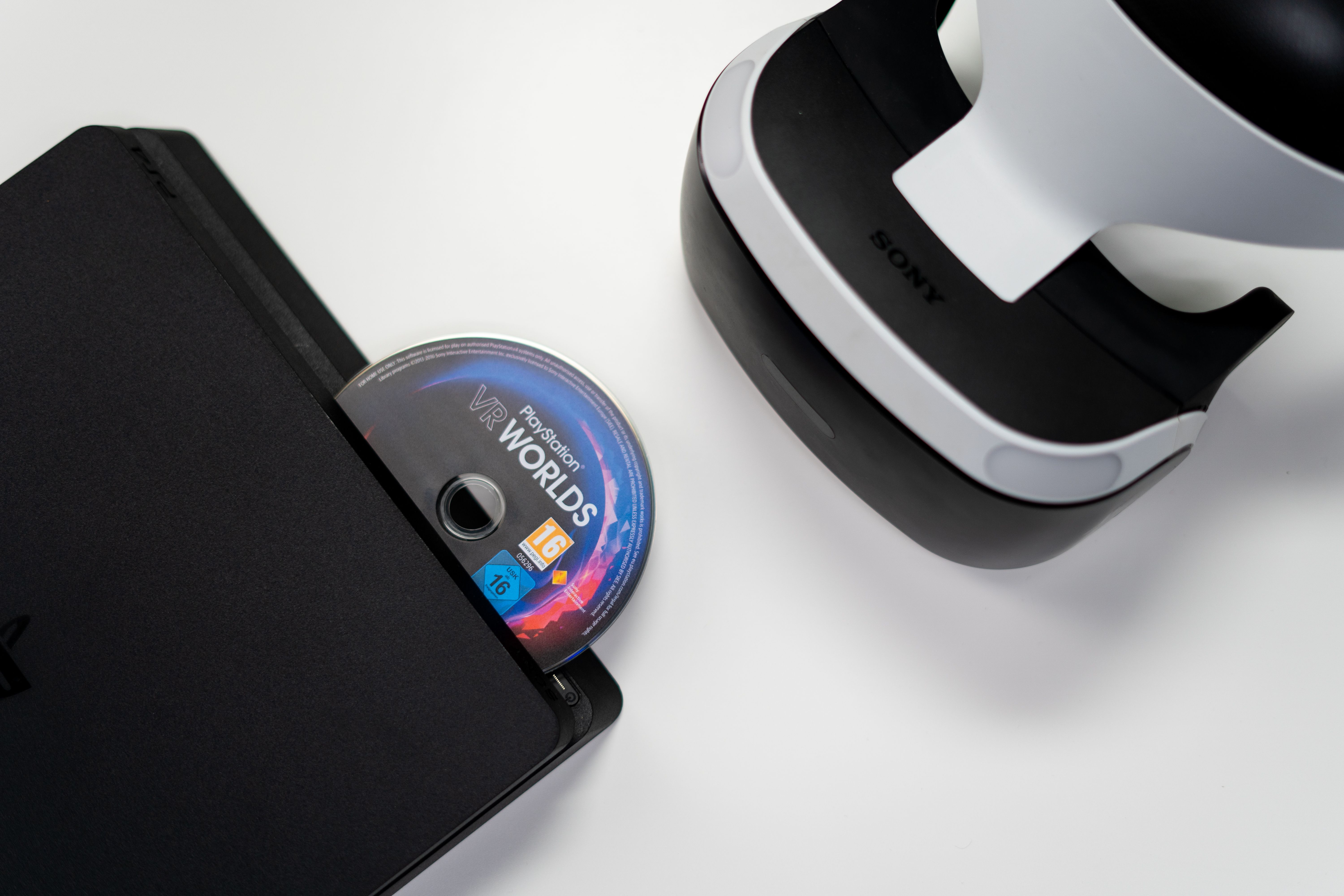
There is also a non-digital exception: if the player collects boxed games or likes displaying them, neither a wallet balance nor an emailed key has the same physical presence. A disc can make a stronger present, but only if it matches their console and isn’t a format they cannot use.
My rule: buy the game only when you know
I’d choose a gift card when I’m unsure about the gamer’s wishlist, launcher, or region; it gives them control without forcing a guess. Choose a game key when they have named a specific title and you have verified the platform, edition, and region. When in doubt, ask which store they use or check a shared wishlist; Richannel’s guide to finding games through friends’ recommendations offers another way to narrow down their tastes.
The best present is not automatically the one with the bigger discount. A carefully chosen key can feel personal, but a compatible gift card is better than a bargain code that cannot be redeemed. If you know the exact game and system, give the game. If you only know they love gaming, give them room to choose.