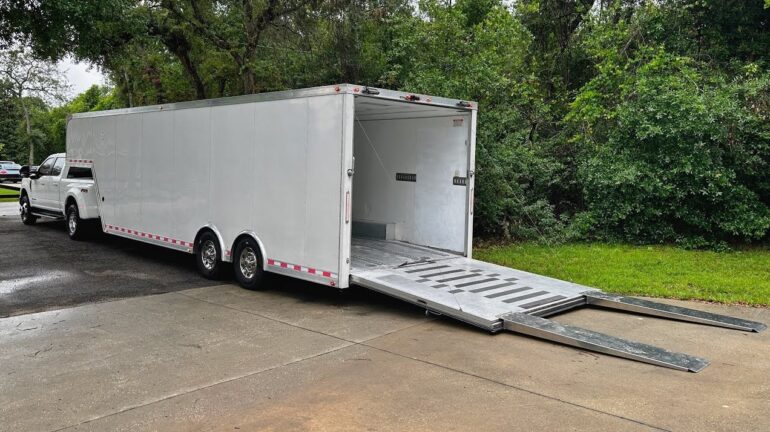
A car hauler trailer is a specialized type of trailer designed explicitly for transporting vehicles. These trailers function by allowing users to load vehicles onto a flatbed surface or an enclosed compartment, secured for safe travel.
The fundamental working principle of a car hauler trailer involves properly distributing the weight of the vehicle(s) being transported, ensuring that the trailer remains stable and manageable during towing. It typically connects to a tow vehicle, which can either be a truck or an SUV, using a hitch.
Whether you are a dealership looking to transport multiple cars or a private individual needing to move a vehicle across the state, understanding how these trailers function is crucial for safe and efficient travel.
Different Types of Car Hauler Trailers Explained
Car hauler trailers come in various styles and configurations to suit different needs. The most common types include open and enclosed trailers. Open car hauler trailers are generally less expensive, lighter, and easier to tow. They feature a flatbed design with no sides or roof, making it easy to load and unload vehicles. They are widely used for racing cars or vehicles that don’t require protection from the elements during transport.
On the other hand, enclosed trailers offer enhanced protection for vehicles, shielding them from weather conditions, dirt, and debris. This type is particularly popular among those transporting high-value or classic cars. Additionally, there are tilt-bed trailers that allow for easier loading by tilting the bed down to the ground, providing a gentle incline for vehicles to drive up on.
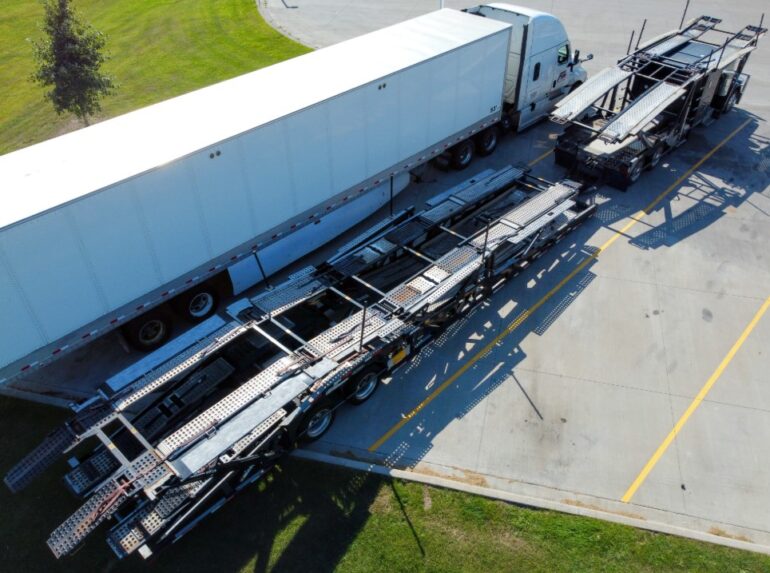
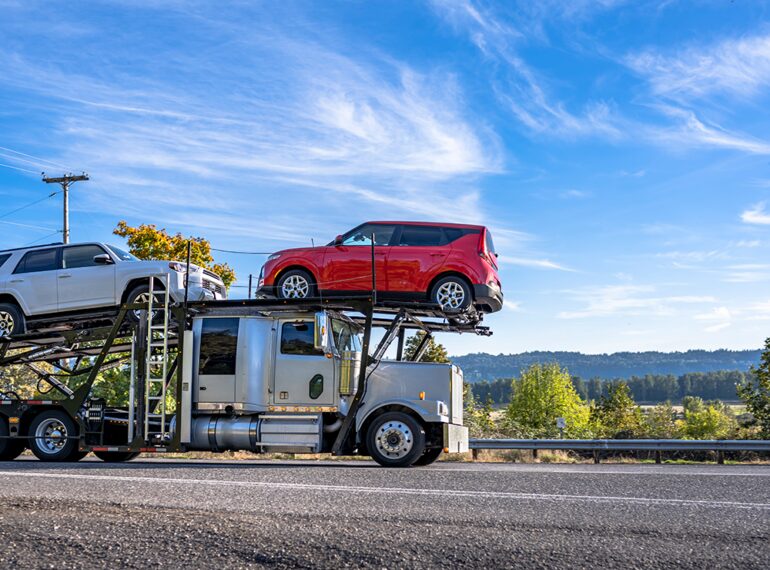
Lastly, you may encounter multi-car hauler trailers designed for transporting several vehicles simultaneously ideal for dealerships or large-scale transport operations. Understanding the different types will help you select the right trailer for your specific needs.
Key Features to Look for When Selecting a Trailer
When selecting a car hauler trailer, several critical features should be on your checklist. Firstly, the trailer’s weight capacity is paramount; ensure it can handle the load you intend to transport. Most car hauler trailers come with weight ratings indicated by the manufacturer exceeding this limit can lead to danger on the road. Secondly, consider the trailer’s materials; aluminum trailers are lightweight and resistant to rust, while steel trailers provide durability but can be heavier and more susceptible to wear and tear.
Another essential feature to examine is the trailer’s braking system. For heavier loads, hydraulic brakes are often recommended, as they provide superior stopping power compared to traditional electric brakes. Safety features such as tie-down points are also crucial to secure vehicles safely during transport.
Furthermore, adjustable ramps can facilitate easier loading, while LED lighting enhances visibility during night operations. Fully understanding these features will ensure you make an informed purchase that aligns with your hauling needs.
Assessing Your Hauling Needs – Size Matters!
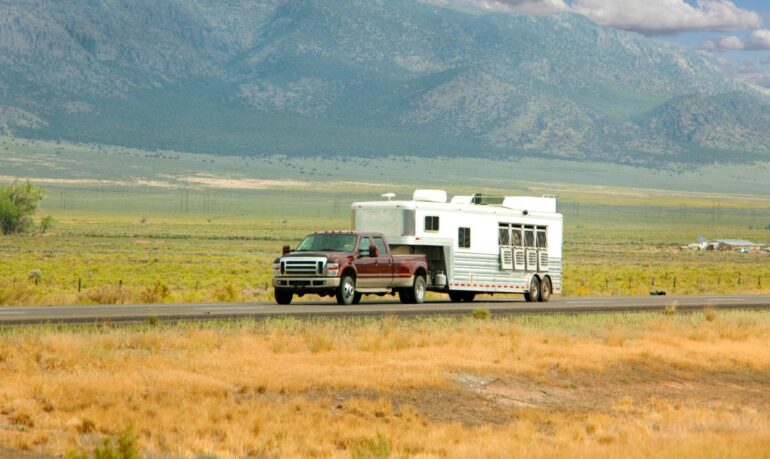
Determining the Right Capacity for Your Vehicles
Before investing in a car hauler trailer, you must determine the appropriate capacity required for your vehicles. Begin by assessing the dimensions and weight of the vehicles you plan to transport. Manufacturers usually provide precise weight specifications, so check for information such as curb weight and gross vehicle weight. For instance, if you are planning to transport a typical mid-sized sedan versus a larger SUV or a truck, the capacity will vary considerably.
Additionally, consider how many vehicles you will typically be transporting at once. For single draws, a 7,000 lb capacity trailer may suffice, but if you are looking to transport multiple vehicles simultaneously, opting for a higher capacity trailer becomes indispensable. An accurate evaluation of your vehicle specifications ensures a safer transportation experience and protects the integrity of the trailer itself.
Evaluating Your Transport Frequency and Distance
The frequency and distance of your transportation needs also play a critical role in choosing the right car hauler trailer. If your use is more commercial, requiring frequent and long-distance trips, investing in a high-quality, durable trailer is advisable. Conversely, if your use is infrequent and primarily for short-distance transport, you may not need the most robust options available.
Long-distance hauls might also require consideration of additional factors such as tire quality, maintenance routines, and weather-related impacts. Each trip will present unique challenges such as varying terrain, which necessitates that you choose a trailer equipped to handle diverse situations. An assessment of your regular transport needs will help determine the cost-efficiency of various trailer options in the long run.
Customization Options – Tailoring Your Trailer for Specific Needs
Customizing your car hauler trailer can significantly enhance your transport efficiency and safety. Many manufacturers offer options for customizing trailers to fit unique hauling needs. For instance, if you frequently transport classic cars, custom fittings such as tire straps, soft-tie systems, or custom ramps can significantly reduce the risk of damage during loading and transit.
Other customization options include additional storage provisions for tools or gear and enhanced shelving for smaller, ancillary items. You might also consider specialized loading features or built-in winches to assist with loading if you’re dealing with non-operational vehicles. Ultimately, tailoring a trailer to meet specific use cases not only maximizes convenience but can also extend the longevity of the trailer itself.
Budgeting for Your Car Hauler – Investment vs. Affordability
Decoding the Costs – Initial Purchase, Maintenance, and Upkeep
When budgeting for a car hauler trailer, understanding the full scope of costs involved is essential. The initial purchase price can range significantly depending on the type, size, and features of the trailer. Open trailers tend to be more affordable, generally starting at around $1,500 to $3,000, while enclosed trailers often range from $5,000 to $15,000 or more, especially when equipped with high-end features.
Beyond the purchase price, consider ongoing maintenance and upkeep costs. Regular servicing is crucial to ensure the trailer remains roadworthy, which may involve brake inspections, tire rotation, and general wear and tear assessments. Additionally, you may want to factor in other costs such as insurance, registration fees, and even storage costs, particularly if you don’t have space at home to store the trailer when not in use. Understanding the full financial commitment will help you manage your budget more effectively.
Financing Options – Loans, Leases, and Other Creative Solutions
Financing your car hauler trailer can be achieved through various avenues, making it easier to accommodate your budget while investing in quality equipment. Traditional bank loans or credit unions often provide favorable interest rates for significant purchases like trailers. Additionally, some dealerships offer financing plans tailored to help customers acquire larger items. Leasing options can also prove beneficial, especially for businesses that require flexible payment solutions without long-term commitments to equipment ownership.
Some manufacturers provide in-house financing, which can streamline the purchasing process and often comes with promotional offers such as deferred payment plans. Creative financing solutions, such as utilizing a personal loan, can provide additional flexibility. Ensure you explore all available options and select a financing plan that aligns with your financial circumstances while allowing you to invest in a reliable car hauler trailer.
Choosing Between New vs. Used – Pros and Cons
When considering your car hauler trailer purchase, the decision between new and used presents several factors to weigh. Opting for a new trailer typically guarantees state-of-the-art features and warranties, providing peace of mind knowing that the trailer is built to current safety standards. New trailers come equipped with the latest technology, materials, and construction practices, reducing the likelihood of immediate repairs and enhancing the overall hauling experience.
However, purchasing a used trailer may prove to be a cost-effective option. It is essential to conduct a thorough inspection, looking for signs of wear, rust, or structural integrity issues. Used trailers can often be available at significant discounts, allowing you to stretch your budget further. Nonetheless, with used options, you won’t have the same guarantees of performance and may face unforeseen repairs sooner.
Ultimately, your decision should hinge on factors such as your budget, intended uses, and whether you require the latest features. Balancing value against necessity will lead you toward the best choice for your specific hauling needs.
Safety First – Best Practices for Car Hauling
Essential Safety Features Every Trailer Should Have
The safety of both vehicles and drivers is a paramount concern when it comes to car hauling. Key safety features that every trailer should possess include robust braking systems, ensuring that your trailer can stop effectively while loaded. Look for adjustable and hydraulic braking systems for superior responsiveness.
Additionally, tire quality is essential; suitable load rating tires should be installed, and routine checks for wear and pressure will prevent blowouts during travel. Safety chains should be standard on every trailer for additional security attaching the trailer to your tow vehicle provides a critical fail-safe against disconnect during transit.
Furthermore, proper lighting systems, including tail lights and turn signals, are vital for visibility on the road, particularly at nighttime. These features not only keep you and your load safe but are often legal requirements. Investing in a trailer equipped with these essential safety features will yield significant benefits in averting accidents.
Loading and Unloading – Techniques to Avoid Damage
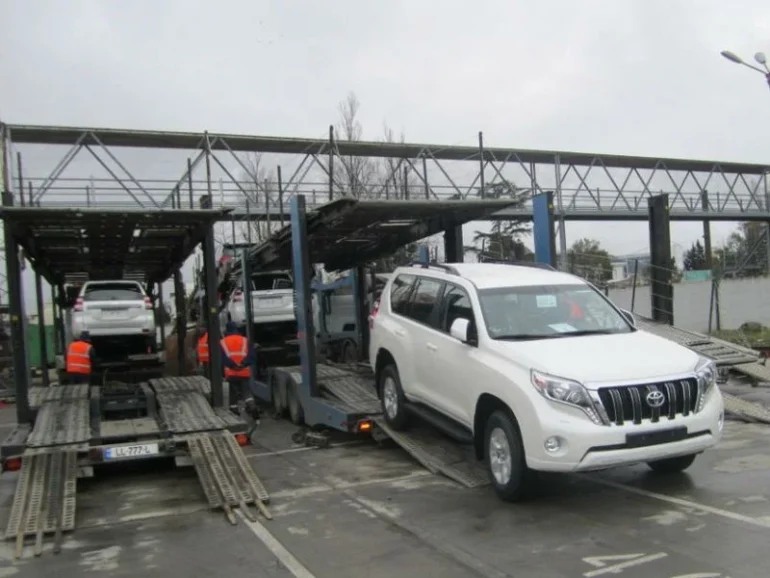
Loading and unloading vehicles from a trailer are often critical moments that can lead to accidents or damage if not executed effectively. The first fundamental technique to follow is to ensure that the trailer is on solid ground, preventing slips or instability during the process. When loading, using ramps should be done at a gradual angle to ease the incline, reducing the risk of bottoming out or damaging the vehicle.
Employing proper tie-down straps is pivotal; using heavy-duty ratchet straps allows you to secure the vehicle in place and reduces the risk of shifting during transit. In addition, always check the weight distribution to ensure that it is evenly dispersed across the trailer’s axles, preventing sway and enhancing road safety.
When unloading, take similar precautions by checking for any obstacles before retracting the ramps. It’s also wise to take your time, ensuring a gradual descent that aligns well with the slope of the trailer. Employing these best practices not only improves safety but results in a more positive experience, preserving the integrity of both the vehicles and the equipment involved.
Legal Guidelines and Regulations for Safe Hauling
Understanding and adhering to legal guidelines and regulations governing car hauling is essential for safe operations. Different states may have specific DOT (Department of Transportation) regulations regarding trailer dimensions, weight limits, and license requirements. Ensure you are well-versed in these regulations prior to transport to avoid potential fines or legal issues.
One of the critical aspects of these regulations is compliance with weight limits. Exceeding a trailer’s GVWR (Gross Vehicle Weight Rating) can incur severe penalties and pose safety hazards during transit. Additionally, if your vehicle and trailer exceed a certain weight threshold, special licensing may be required in various jurisdictions.
Furthermore, familiarize yourself with state laws regarding the appropriate use of safety equipment such as reflective tape, safety chains, and brake lights to enhance visibility on the roads. Awareness and education about these legal guidelines ensure not only compliance but also the personal safety of the operator and public.