Every time someone creates an account at an online casino, they hand over a lot of personal information: a full name, date of birth, home address, email, phone number, and often bank or card details. That data is valuable to criminals, which is why serious operators invest heavily in technology designed to keep it safe. Understanding how those systems work helps players judge whether a platform deserves their trust.
Why Player Data Is a Prime Target
Online gambling sites handle sensitive financial and identity information around the clock, and that makes them attractive to hackers, phishing gangs, and fraudsters who buy stolen credentials in bulk. A single breach can expose thousands of accounts, leading to identity theft, unauthorised transactions, or targeted scams. For this reason, data protection is not an optional extra for a reputable casino. It is a core part of running the business, and regulators in many markets expect it to be documented and audited.
Encryption: The First Line of Defence
Encryption is the foundation of modern player data protection. When a player logs in or submits a deposit, the connection between their device and the casino’s servers is protected by Transport Layer Security (TLS), the same standard used by banks and major online retailers. This scrambles the information in transit so that anyone intercepting the traffic sees only unreadable data. Information stored on the casino’s servers is typically encrypted as well, often using the Advanced Encryption Standard (AES), which the U.S. National Institute of Standards and Technology has specified as a federal standard for protecting sensitive data.
Players comparing options can see how these features are presented across different platforms. Readers looking for information about online casinos Australia can explore comparison platforms such as Crazyvegas to learn more about different operators and the security details they advertise.
A quick check is always worthwhile. Look for a padlock icon and an address beginning with https in the browser bar, and avoid logging in over public Wi-Fi without a reliable connection.
Secure Payment Processing
Payment data requires its own layer of protection. Reputable casinos that accept cards must comply with the Payment Card Industry Data Security Standard (PCI DSS), a set of technical and operational requirements maintained by the PCI Security Standards Council. Compliance covers how card numbers are stored, transmitted, and accessed, and it requires regular testing of the systems involved.
Many operators also use tokenisation, which replaces a real card number with a random substitute token. The casino’s internal systems can process a payment using the token, while the actual card details stay within a tightly controlled payment provider environment. If an internal database were ever compromised, the stolen tokens would be of little use to attackers.
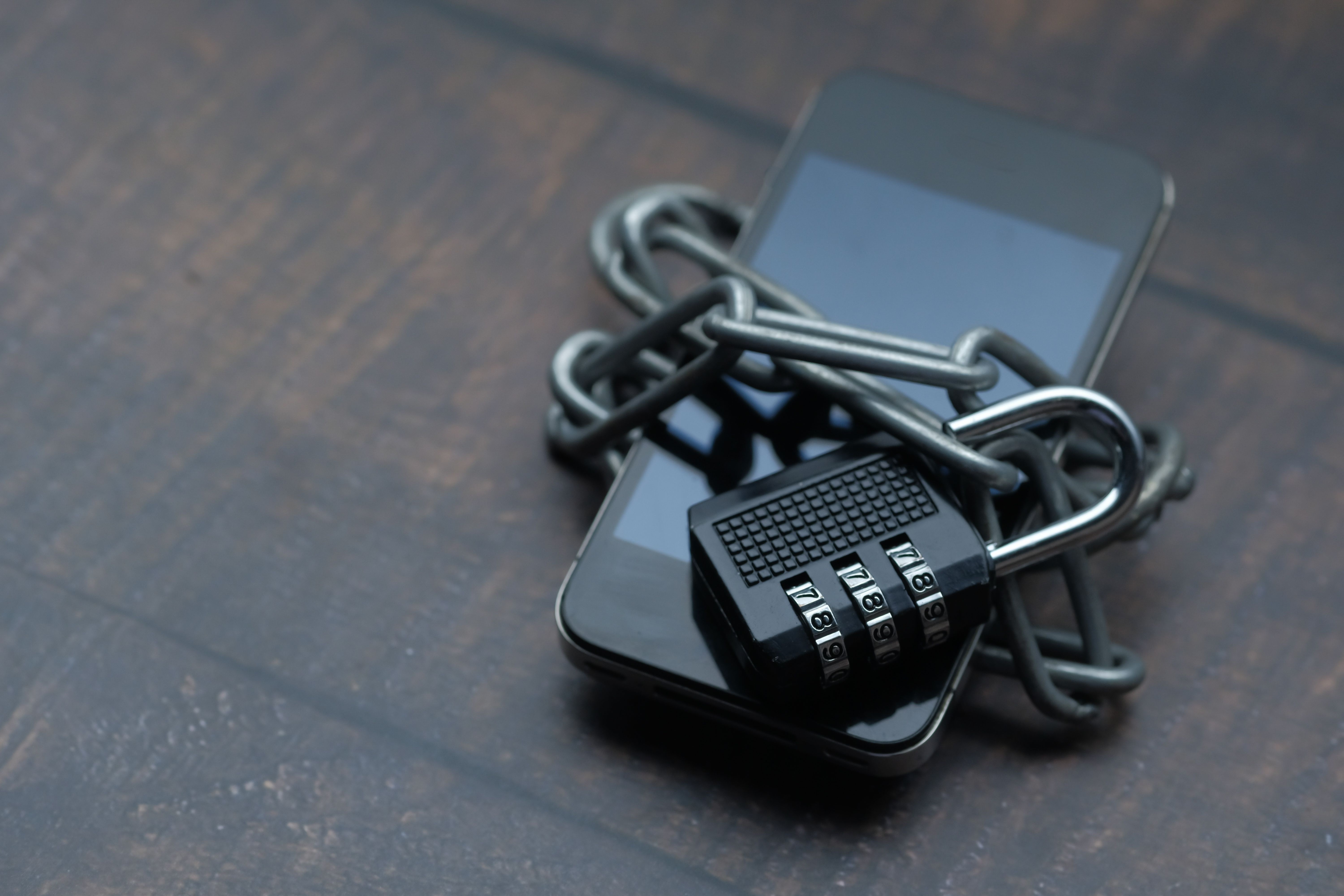
Strong player data protection relies on layered safeguards, from encrypted connections to secure payment handling.
Monitoring and Threat Detection
Protection does not stop once data is encrypted and stored. Security teams rely on continuous monitoring to spot unusual activity as it happens. Intrusion detection systems watch network traffic for known attack patterns, while firewalls and web application filters block common threats such as SQL injection and automated credential-stuffing attempts.
Increasingly, casinos use machine learning models that establish a baseline for how each account normally behaves. A login from an unfamiliar country, a sudden change of password followed by a large withdrawal, or dozens of failed logins in a short window can all trigger an alert or a temporary hold. These systems are imperfect, but they catch many attacks before any money leaves an account.

Round-the-clock monitoring helps security teams detect suspicious logins and attacks as they happen.
Identity Verification and Access Control
Know-your-customer (KYC) checks serve two purposes. They help operators confirm that each player is an adult, which is a legal requirement, and they make it harder for criminals to open accounts with stolen identities. Verification usually involves uploading a photo ID and sometimes proof of address, with automated tools comparing documents against official databases where permitted.
Two-factor authentication (2FA) adds another barrier. Even if a password is leaked, an attacker cannot access the account without a one-time code sent to the player’s phone or generated by an authenticator app. Internally, staff access is restricted by role, so customer support agents can see what they need to help a player but not the full payment record or the complete database. Every access is logged, which makes it easier to trace misuse.
Cybersecurity guidance from national agencies stresses the same principles. The NIST Cybersecurity Framework, for example, organises security work around identifying risks, protecting systems, detecting incidents, responding to them, and recovering afterwards. Well-run casinos apply this kind of structured approach rather than relying on a single tool.
What Players Can Check Before Signing Up
Technology is only part of the picture. Players can also look for signs that an operator takes security seriously. A valid gambling licence from a recognised regulator, clear privacy policies that explain what data is collected and why, and visible information about third-party audits are all good indicators. Independent testing labs that certify random number generators are another sign of accountability.
It also helps to use a unique password for every gambling account, enable two-factor authentication wherever it is offered, and be cautious about unsolicited emails or messages asking for login details. Reputable casinos will never ask for a password by email or chat.
Final Thoughts
Online casinos use a layered mix of encryption, tokenised payments, continuous monitoring, identity checks, and strict access controls to protect player information. No system is completely immune to attack, so the best operators combine strong technology with transparency and regular audits. Players who understand these safeguards are better placed to choose platforms that treat their personal data with the respect it deserves.